



Whether you’re already a proud DVC member or are thinking about buying one on the resale market, understanding Disney Vacation Club maintenance fees is one of the most important steps in the journey. For many families, these annual dues are actually a bigger factor in long-term affordability than the upfront cost! In this guide, we’ll break down exactly what your dues cover and help you easily fit them into your dream vacation planning.
- What Do Disney Vacation Club Maintenance Fees Cover?
- How Much Do Disney Vacation Club Maintenance Fees Cost in 2026?
- What Should You Do If You Don't Want to Pay DVC Maintenance Fees?
- How Does Selling Your DVC Timeshare Work?
- Frequently Asked Questions About DVC Maintenance Fees
- Thinking About Listing Your DVC Ownership?
What Do Disney Vacation Club Maintenance Fees Cover?


DVC dues represent your contribution to maintaining and operating your home resort at its best. Every owner at our resort pitches in to a shared fund that covers all the special details that make a Disney property feel truly magical!
Here’s where the money goes:
- Staffing and operating costs to keep the resort running day to day
- Routine upkeep and repairs to rooms, grounds, and shared spaces
- Upgrades and enhancements to villas and amenities
- Property taxes and reserves for future refurbishments
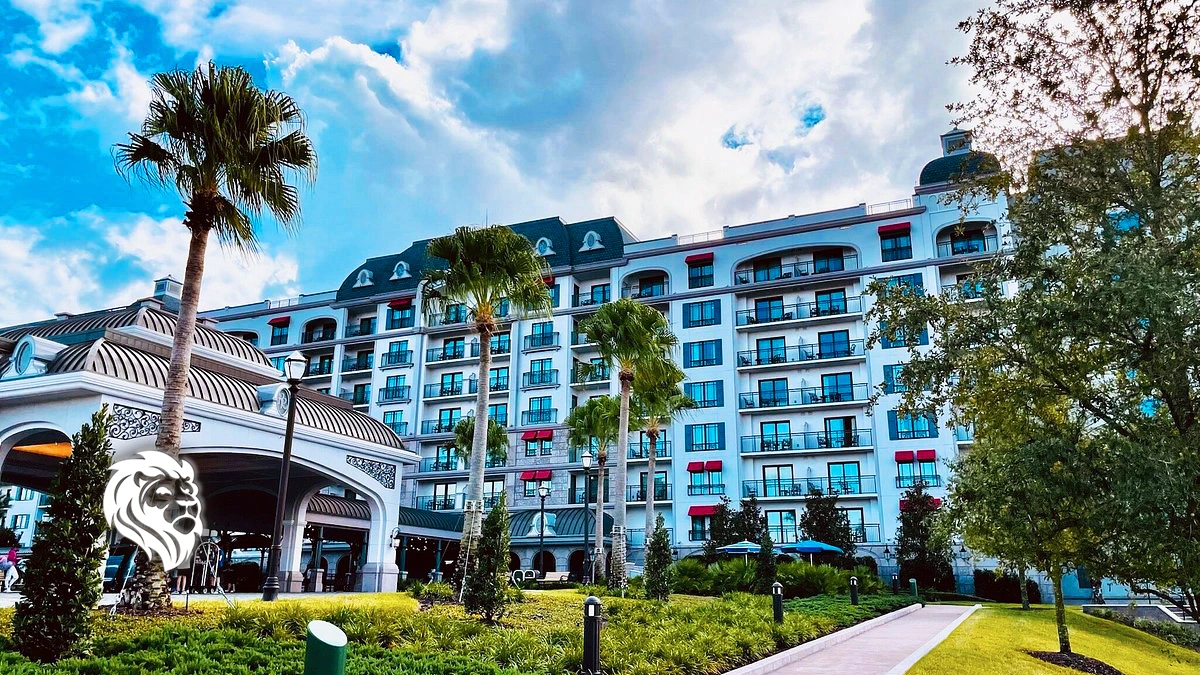
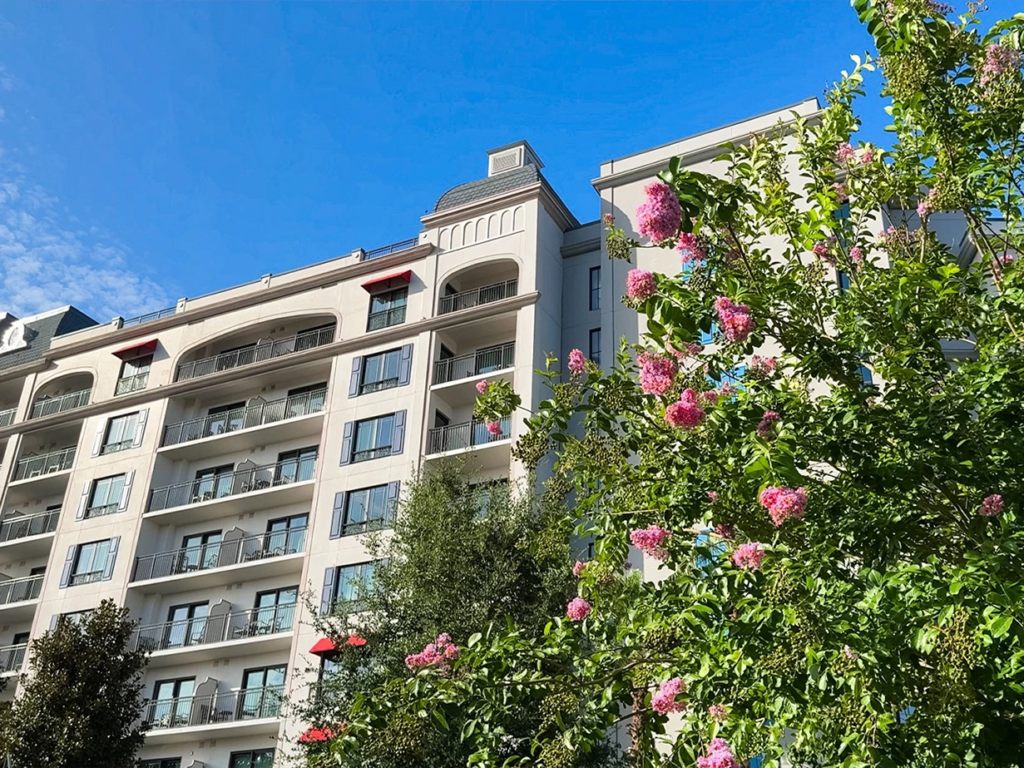
Think of it like skipping your regular car maintenance—ignore it for too long, and the whole ride starts to get a little bumpy! Keep up with it, and resorts like Disney’s Grand Floridian and Disney’s Riviera Resort stay in the condition that made you want to own there in the first place. For most owners, it’s a swap that’s well worth it.
How Much Do Disney Vacation Club Maintenance Fees Cost in 2026?

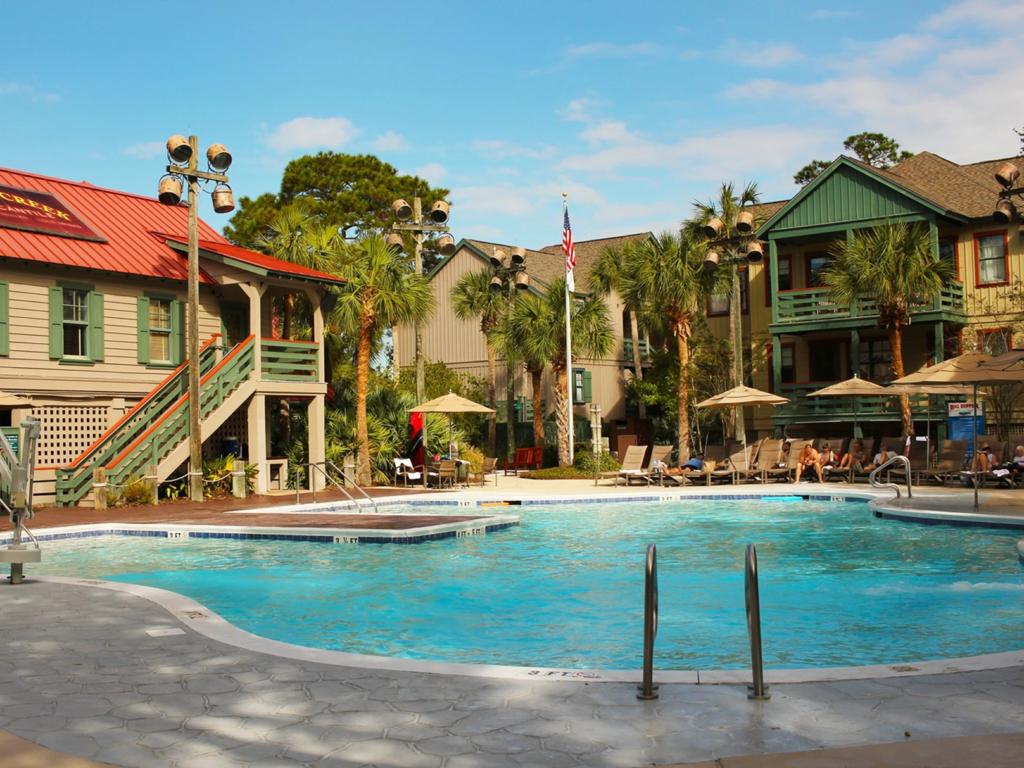
Two key factors determine your annual dues: your home resort and the size of your DVC point ownership. It’s worth noting that per-point rates vary from resort to resort, so some resorts like Vero Beach may have slightly higher annual dues than others, such as Boardwalk or the Grand Floridian.
Here’s the full breakdown for 2026:
| Resort | 2026 Dues Per Point |
|---|---|
| Disney’s Grand Floridian | $8.31 |
| The Villas at Disney’s Polynesian | $8.33 |
| Bay Lake Tower | $8.74 |
| Copper Creek | $9.02 |
| Saratoga Springs | $9.19 |
| Disney’s Riviera Resort | $9.46 |
| Grand Californian | $9.52 |
| Boardwalk | $9.67 |
| Boulder Ridge | $9.77 |
| Beach Club | $9.81 |
| Animal Kingdom | $10.16 |
| Disneyland Hotel | $10.54 |
| Aulani | $10.96 |
| Old Key West | $11.21 |
| Cabins at Fort Wilderness | $12.28 |
| Hilton Head | $12.86 |
| Vero Beach | $14.89 |
Estimating your DVC maintenance fees is simple! Just multiply your point total by your resort’s per-point rate. For instance, if you own 150 points at Disney’s Riviera Resort, you’re looking at roughly $1,419 for 2026 ($9.46 × 150).
Here’s something worth keeping in mind: Disney Vacation Club maintenance fees aren’t always tied to the purchase price. That’s why every listing on our marketplace includes the most recent maintenance fees, so there are no surprises, and you know exactly what to expect going in!
Just a quick note on timing: dues are due on January 15 each year, based on the calendar year rather than your Use Year. If a single annual payment feels like a bit too much to manage all at once, don’t worry—Disney offers a handy monthly payment option to help make it easier!
What Should You Do If You Don’t Want to Pay DVC Maintenance Fees?
Life changes, and so do travel plans. Whether your family situation has shifted, your retirement looks a little different than expected, or you simply don’t use your DVC membership like you used to, you’re not stuck. The good news? You have a legitimate way out — selling your points on the timeshare resale market.
The resale market puts you in the driver’s seat. You get to set the asking price, choose your own terms, and decide whether an offer works for you. And the best part? You’re not just saying goodbye to your timeshare — you might even walk away with some cash in your pocket.
For over 20 years, the team at Fidelity Real Estate has been helping people navigate the timeshare resale market. Our friendly, licensed agents know all the major resort developers inside and out, and we’re always here to help you every step of the way! We hold an A+ rating with the Better Business Bureau and have been the #1 Disney Vacation Club Resale Broker for over 20 years, closing more DVC resale transactions than any other brokerage. Whenever you’re ready to make your move, we’re here to help!
How Does Selling Your DVC Timeshare Work?

Selling a timeshare might feel overwhelming at first, but it doesn’t have to be! In practice, it’s a lot more straightforward than most people expect. When you work with a Fidelity agent, you’ll have a friendly, licensed expert by your side at every step of the way.
Here’s a quick look at how the process typically works:
- Get oriented. Your agent will walk you through everything — how resale works, what to expect, and the right questions to ask before taking any next steps. No pressure, just clarity.
- List your timeshare. We’ll help you set a competitive price using the latest resale market data, then connect your listing with the right buyers.
- Close the sale. Once you accept an offer, we’ll take care of the negotiating and guide you every step of the way through closing. From the accepted offer to the final title transfer, the whole process typically wraps up in 60 to 90 days.
A few things to know before you get started:
- No upfront fees. At Fidelity, we only earn a commission when your timeshare actually sells. Our main goal is to help you make a successful sale, not to collect fees along the way.
- Dues stay yours until the title transfers. Even though the ownership is in your name, you’ll still be responsible for those annual fees. Just keep in mind that you’ll need to continue paying them until your title has been successfully transferred!
- Keep your price realistic. Think of a timeshare as a luxury product, much like a boat or a car. It doesn’t typically appreciate in value, so most sellers won’t see a profit. However, the good news is that you can still recoup some of your costs through resales!
Frequently Asked Questions About DVC Maintenance Fees
Thinking About Listing Your DVC Ownership?
If your DVC timeshare no longer feels like the right fit, don’t worry — selling on the resale market is a great option to explore!
With over 20 years of experience helping DVC owners navigate resale, our team is here to make the process as smooth as possible for you. When you’re ready to take the next step, simply create your listing, give us a call at 1-800-410-8326, or shoot us an email at [email protected] — we’ll handle the rest!