




Timeshares are a lot of things. A home away from home, an entryway into vacation exchange, but there’s one thing a lot of potential owners ask: “Are timeshares a good investment?” It’s an important question, and the answer is: kind of. While there’s a clear value to timeshares, it doesn’t come in the form you might be thinking of. Feeling confused? Don’t worry! We’ll break down everything you need to know to help you decide if a timeshare is worth it for you!
- What Is a Timeshare and How Does It Work?
- Do You Pay Taxes on Timeshares?
- Why Aren't Timeshare Considered an Investment?
- Types of Timeshare Ownership
- Different Types of Timeshare Sub-Types
- Why Timeshares Are a Good Investment for Enhancing Your Vacation Experience
- What Is the Difference Between a Timeshare and a Vacation Home?
- Safety in the Timeshare Market
- Timeshare Companies to Invest Your Happiness In
- So, Are Timeshares a Good Investment?
- Buy a Timeshare Resale with Fidelity Real Estate
What Is a Timeshare and How Does It Work?
Before we dive into the positives of timeshare ownership and whether timeshares are a “good investment,” let’s discuss what a timeshare is and how it works!
Timeshares are properties with divided ownership and use rights. Each owner is entitled to a specific period each year at the timeshare property, hence the word “time-share.” Owning a timeshare helps to promote annual guaranteed vacations. There are different timeshare subtypes that affect how, when, and where you can use your ownership, but we’ll cover how that works further below. Keep in mind that on top of paying for the timeshare itself, you’ll also need to pay maintenance fees, often annually.
When you sign a timeshare agreement, you are now considered a vacation property owner and have unlimited vacation opportunities. It is imperative to note that how a timeshare works depends on the type of ownership contract you signed.
How Expensive Are Timeshare Maintenance Fees?
Let’s talk dollars and cents—because just like any home, timeshares come with ongoing costs after that initial purchase. The big one? Annual maintenance fees. These typically average around $1,000 per year, and you can expect that number to tick up annually, sometimes even outpacing inflation.
Why do the costs go up? A few culprits: property improvements, renovations, or even rising operational costs at your resort. These increases aren’t optional. Whether you lounge by the pool every year or life keeps you elsewhere, those fees are your responsibility. Skip out, and you could see repercussions, including dings to your credit score—something nobody wants popping up when they’re dreaming of beachfront sunsets.
So, when budgeting for your dream vacations, be sure to factor these fees into your plan—not just for this year, but for every year you own your timeshare!
Do You Pay Taxes on Timeshares?
Absolutely—taxes are part of the deal when it comes to timeshare ownership. Whether you have a deeded week at a Wyndham resort or a right-to-use Disney Vacation Club membership, property taxes will enter the picture. Sometimes, your annual maintenance fees will already include property taxes, neatly bundled in by the timeshare’s management company. Other times, you might receive a separate bill for your share of the taxes, directly from the local government or resort operator.
Bottom line: you and your fellow owners collectively cover property taxes, insurance, and upkeep costs. Make sure to check with your Homeowners Association or management team for the specifics, as the setup can vary by resort and even by location. It’s all part of keeping your vacation “second home” in tip-top shape, whether it’s overlooking the beaches of Hilton Head or nestled in the Smoky Mountains.
Why Aren’t Timeshare Considered an Investment?
We mentioned earlier that the answer to the question, “Is a timeshare a good investment?” is kind of. That’s because timeshares aren’t really financial investments in the way that a house can be. Unlike houses, timeshares don’t increase in value over time, so they are considered liquid assets. In other words, timeshares are closer to cars. They’re valuable for sure, but their financial value depreciates over time.
So, timeshares aren’t financial investments, but that doesn’t make them bad investments. When you buy a timeshare, you’re investing in the future of your vacations. Timeshares give you a vacation home you can return to year after year, allowing you to visit stunning destinations. So if you’re an avid traveler, a timeshare is definitely worth it. There are numerous timeshare types to choose from, offering flexibility and affordability.
Types of Timeshare Ownership



When deciding if a timeshare is a good investment, it’s vital to acknowledge the different types of timeshare ownership. Owners can choose between numerous timeshare types depending on the timeshare company. Regardless of your vacation style, timeshare owners can select the contract type that works best for their wants and needs, making timeshare ownership a good investment in terms of flexibility.
Deeded Timeshare
A deeded timeshare allows travelers to purchase a fraction of a vacation property through a deed. Owners get a deed for their week and own it. This slice of real estate has the same ownership rights as actual real estate and is shared with several other timeshare owners. Deeded timeshare owners can sell, rent, and gift their timeshare.
Right-To-Use Timeshare
This type of ownership does not come with a deed; however, it does come with a contract that states the timeshare agreements and how long the owner has the right to use them. These right-to-use leases are typically 30-99 years, and owners can sell their ownership on the resale market.
Leasehold Timeshare
A leasehold timeshare does not last in perpetuity, and it has a specific expiration date. As with other timeshares, they have the same benefits and rights. One of the most prominent leasehold timeshare companies is Disney Vacation Club.
Different Types of Timeshare Sub-Types
Along with the different types of timeshare ownership, there are also numerous subtypes to consider when determining if timeshares are a good investment in terms of flexibility. As a result, the above categories are what you own, while the below subtypes are what you own within those timeshares, as well as other terms related to their use frequency. DVC, for example, is both a leasehold and a points-based timeshare.
Points-Based Timeshare
The most popular timeshare type is points-based timeshare. Timeshare owners purchase a timeshare in the form of points at their home resort. Timeshare points can be used at the owner’s home resort or exchanged at a different resort within the brand’s network. Every year, owners are allotted a certain number of points, which can be utilized however they like.
Let’s look at Disney Vacation Club. If you own lots of points, you can utilize them all for a weekend in a large unit. Or you could stay in a smaller unit for one week or even two weeks, depending on how many points you have. Some points-based timeshare companies even allow owners to bank points for a year so they can take a bigger vacation later.
Floating Week Timeshare
Enjoy flexibility with a floating week timeshare. A timeshare owner can choose the week they want to stay at the resort within a certain period or season. When an owner purchases a floating week timeshare during the summer season, they can visit their unit during any available week. To put this into perspective, floating timeshares give more flexibility than fixed weeks but not as much as point-based timeshares.
Fixed-Week Timeshare
Traditionally owned timeshares, or fixed-week timeshares, grant owners access to the property during the same week every year. You will have usage rights, usually for one week, at the resort. The rest of the year, other owners use it. Timeshare weeks are great if you plan to travel for a specific week each year. In addition, this one-week timeshare ownership helps you create a yearly vacation tradition.
Now that we’ve discussed some of the types of timeshares, let’s dive into the benefits of owning a timeshare. This will help you determine why timeshares can be a “worthwhile investment.”
Why Timeshares Are a Good Investment for Enhancing Your Vacation Experience
The benefits of purchasing a timeshare will help guarantee that your annual vacations will be memorable and enjoyable. Luxury, comfort, and stunning vacation spots in some of the most sought-after destinations are just a few of the major timeshare benefits.
Are Timeshares a Good Investment in Happiness? Yes: Superior Vacation Spots


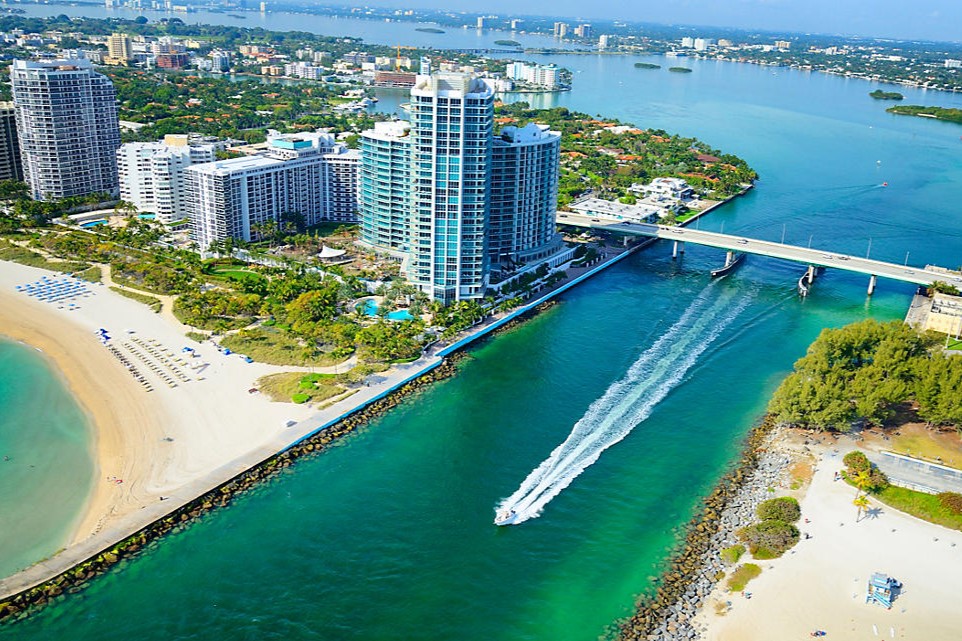
With a timeshare, owners are guaranteed a vacation spot every year! Whether it’s located near the beautiful white sands of Myrtle Beach, the tropical oasis of Maui, Hawaii, or within the elegant sugar-capped mountain slopes of Breckenridge, Colorado, there’s a spectacular vacation spot for everyone! And, with a timeshare, you can make these trips an annual tradition or switch them out for a different location.
Regardless of the timeshare location, you are guaranteed ultimate comfort and relaxation in spacious accommodations.
Are Timeshares A Good Investment in Happiness? Yes: Spacious Accommodations
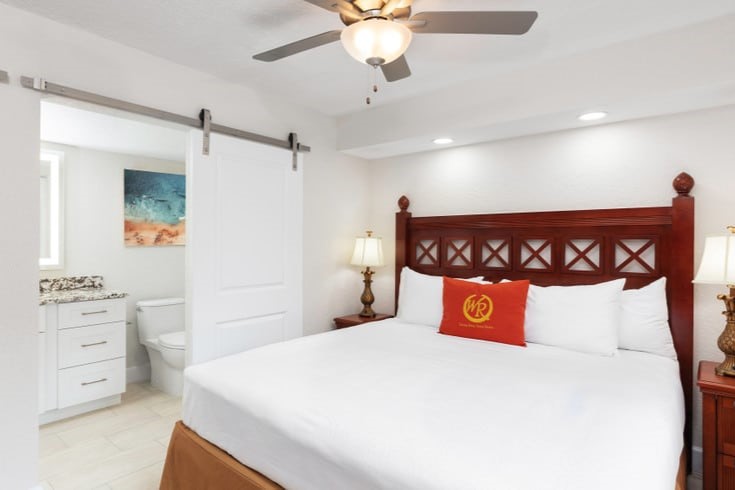
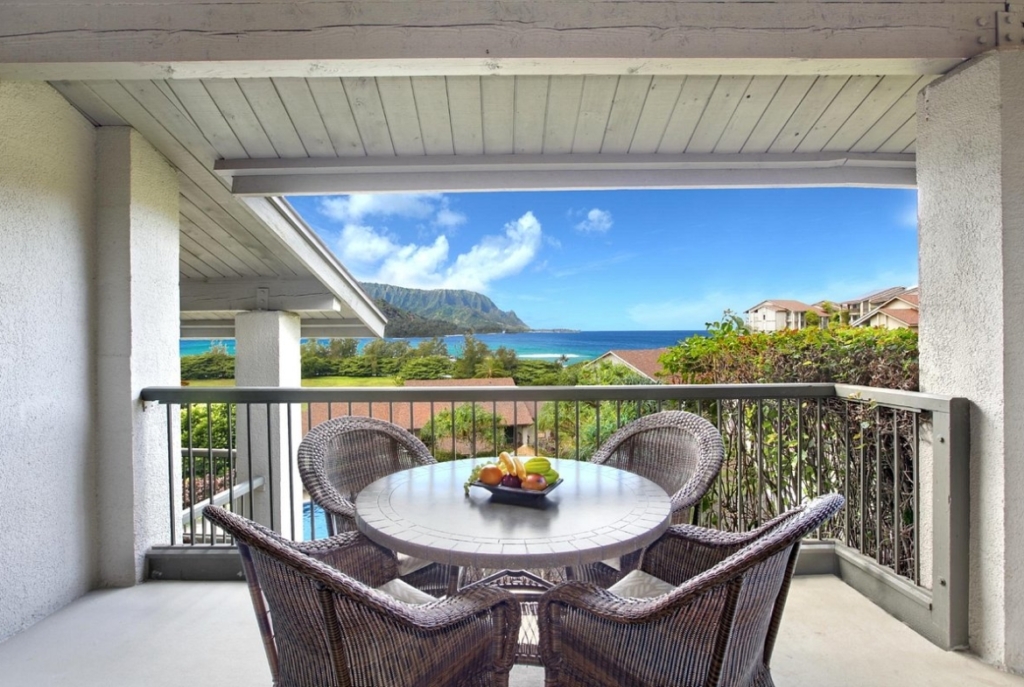

Unlike hotel rooms, timeshare properties like villas and suites are luxurious and spacious. Most accommodations feature at-home amenities like full kitchens, as well as living and dining spaces. Although timeshare units vary from resort to resort, some properties include private porches or balconies with glorious views.
One of the standout advantages of timeshares is how well they cater to group travel. Typically, these accommodations are designed as residential-style condos that offer multiple bedrooms, making it easy for families or friends to stay together without feeling cramped. Having a washer and dryer in your unit means you can pack lighter and keep everyone comfortable throughout your stay.
Along with luxurious and spacious accommodations, timeshare resorts tend to feature top-notch amenities for everyone in the family to enjoy! Whether you’re gathering for a big family vacation, celebrating with friends, or simply looking for extra space to stretch out, timeshares provide the perfect home-away-from-home.
Are Timeshares a Good Investment in Happiness? Yes: State-of-the-Art Amenities



Timeshares tend to have a plethora of state-of-the-art amenities like swimming pools, fully-equipped fitness centers, full-service spas, and more. Guests can take their vacation experiences to the next level and enjoy fun services within the resort without having to leave the property.
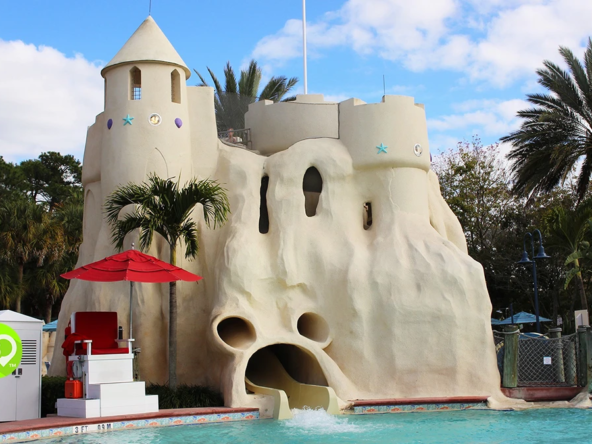
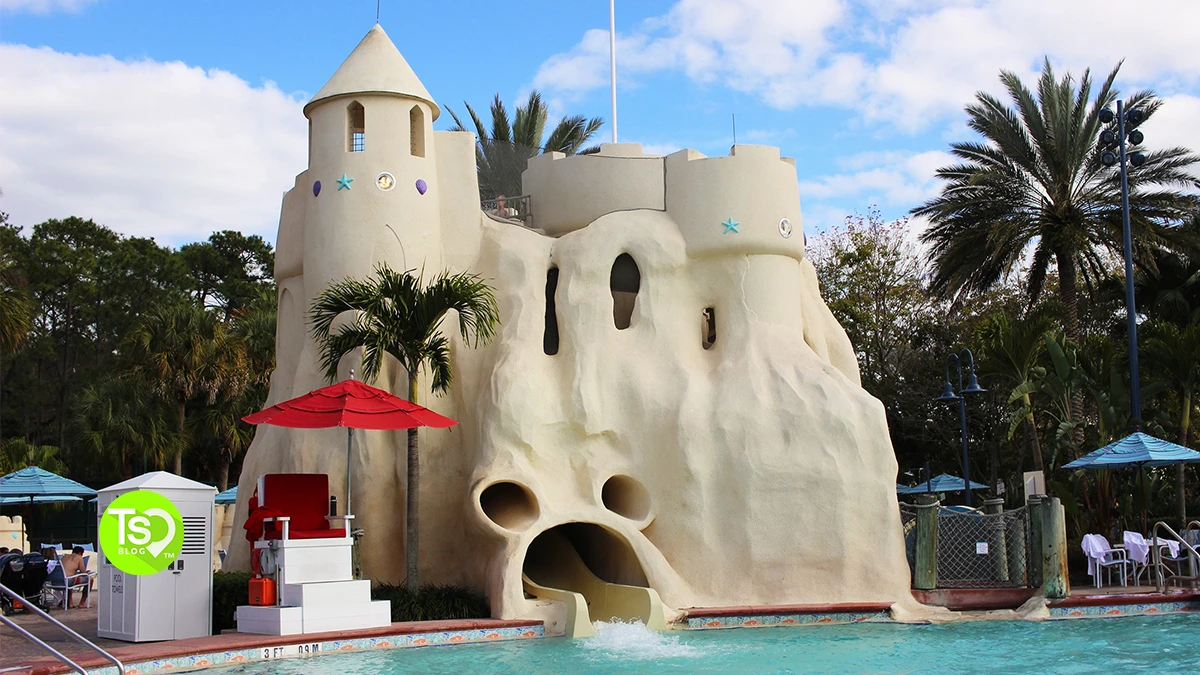
Some resorts may include sports courts, soothing hot tubs, miniature golf courses, on-site restaurants, children’s activities, and even water parks! There’s so much excitement awaiting at timeshare resorts!
What Is the Difference Between a Timeshare and a Vacation Home?
It’s easy to get timeshares and vacation home mixed up. Both are forms of vacation ownership, and on paper, they both sound like tickets to dream getaways. But there are some important differences to keep in mind before you pack your bags.
A timeshare means you purchase the right to use a property for a specific week (or flex period) every year. Think of classic names like Marriott, Hilton Grand Vacations, or Disney Vacation Club. With a timeshare, you’ll either own a deeded share of a resort unit or have a usage contract. You’ll pay upfront costs plus regular maintenance fees, in exchange for reliable, annual vacation time—often with the added perk of swapping your week for stays in other destinations through networks like RCI or Interval International.
On the flip side, a vacation home is a property that you own, much like your home. This could be a cozy lake cabin in Lake Tahoe, a chic New York loft, or a sunny beach house in Destin. Vacation homes are more expensive than timeshares by a significant margin, but are also a more financially stable investment.
Key distinctions:
- Ownership: Timeshare owners invest in recurring access to vacation time, whereas a vacation home is a traditional property. Both can be rented out or resold, but you have significantly more control over (and responsibility for) your vacation home.
- Costs: Both timeshares and vacation homes involve upfront and annual costs. A timeshare costs less overall, but you have limited control over how your funds are used. A vacation home is more expensive, but you can control precisely how every cent is used.
- Flexibility: You can visit your vacation home anytime, but you’re limited to a specific location. Generally, you can stay at a timeshare for a limited number of days per year, but you can use internal and external exchange options to stay at other destinations.
- Amenities & Experience: Vacation homes usually don’t include resort-level amenities, save for those you choose to install yourself. However, both timeshares and vacation homes include fixtures like full kitchens, baths, and laundry.
What Factors Should You Consider When Choosing Between a Vacation Home and a Timeshare?
When exploring options for your next vacation property, the decision often comes down to vacation homes versus timeshares. Each has its perks—and pitfalls—so it’s wise to weigh your options based on your lifestyle, travel habits, and long-term goals.
Flexibility vs. Predictability
Both vacation homes and timeshares represent a long-term commitment, locking in a lifetime of vacations at a specific destination. However, they offer flexibility in different areas.
For a vacation home, that flexibility comes in the form of time. You’re free to visit your vacation home whenever you like, for as long as you like. Timeshares can be less flexible in terms of availability, but can be exchanged for stays at other destinations.
Financial Considerations
- Vacation Homes: Vacation homes require a larger upfront investment, but they may appreciate over time, offering potential for resale value. Owners can also benefit from rental income if they choose to let their property to guests.
- Timeshares: Timeshares typically involve a lower initial cost, especially on the resale market, but don’t expect your investment to grow—it’s mainly about guaranteed vacations. Be mindful of annual maintenance fees, which can rise and are due regardless of whether you visit.
Ownership and Use
- Vacation Homes: Buying a vacation home means you call the shots—visit whenever you’d like and manage your calendar or renters. You’re also responsible for all upkeep, which can turn into a second job unless you hire professional property managers.
- Timeshares: With a timeshare, the heavy lifting is handled for you, from maintenance to repairs. However, your use is limited to the interval or points you own, and prime dates may require advance booking.
Tax and Legal Implications
- Vacation Homes: These can sometimes qualify for tax benefits, such as deductions for mortgage interest, property taxes, and operating expenses. However, any rental income is taxable, and you may need to navigate local short-term rental regulations.
- Timeshares: While you can deduct the maintenance fees in specific circumstances, timeshares generally offer fewer tax advantages. And, if you decide to sell, realize that you cannot claim a capital loss if selling for less than you paid.
Convenience and Amenities
- Vacation Homes: Many vacation homes come with private amenities—pools, full kitchens, outdoor spaces—making them ideal for groups who want privacy and space.
- Timeshares: Timeshares are often set within resort communities, granting access to pools, spas, activities, and concierge services, all bundled into your yearly dues.
Exit Strategy
- Vacation Homes: The real estate market determines how easily you can sell your property. Well-located homes may appreciate, but market conditions fluctuate.
- Timeshares: Timeshares can be challenging to resell, often fetching far less than the initial cost. Resale demand is notoriously soft, so consider your long-term commitment.
By reflecting on how you vacation, your appetite for responsibility, and your financial plans, you’ll make an informed decision that complements your travel dreams.
Are Timeshares Easier to Maintain Than Vacation Rentals?
One of the underrated perks of owning a timeshare—especially if you’ve ever managed a traditional vacation rental on your own—is the sheer convenience when it comes to maintenance. With a vacation rental, you’re often left juggling cleaning schedules, fixing leaky faucets, and even organizing major repairs when the unexpected happens (hello, surprise burst pipe in January). You’re not just vacationing; you’re also the property manager.
With a timeshare, things look a little different. Your annual maintenance fees cover all the upkeep: cleaning, repairs, landscaping, and even those little touches like fresh towels and working air conditioning. The resort or timeshare company—think Wyndham, Marriott, Hilton Grand Vacations—handles the nitty gritty for you, so you can just show up with your suitcase and start relaxing. It’s worry-free, hassle-free, and lets you actually enjoy your vacation rather than add ‘handyman’ to your itinerary.
If you love the idea of an effortless vacation (without the endless to-do list that comes with private ownership), a timeshare’s managed approach might be the ticket. You pay once a year, they do the heavy lifting, and your time off stays just that—time off.
Safety in the Timeshare Market
Now that you’ve learned some of the benefits of timeshares and how they can enhance your vacation experiences, please know that purchasing timeshares from credible and trustworthy sites is vital. Unfortunately, some groups try to take advantage of timeshare owners, so it’s important to recognize the signs of timeshare scams on the market.
How to Avoid Timeshare Scams
Here are some tips to help detect scam timeshare companies.
- Be skeptical of anyone who promises to sell your timeshare fast and for a great price.
- Ignore high-pressure sales.
- Don’t use a timeshare company that expects outrageous upfront costs or luxury taxes.
- Don’t accept unsolicited phone calls from non-legitimate buyers.
- You can’t just cancel a timeshare contract, so be wary of anyone who claims they can.
Who to Trust When Buying a Timeshare?
Now that we’ve covered companies to avoid, let’s talk about groups that are worth looking at when buying a timeshare. When it comes to vacation ownership, you’ll want to work with a company that has a lot of experience in the industry. Ideally, they’d have a good reputation as well. When in doubt, a good resource for determining whether a timeshare company is trustworthy is ARDA. ARDA is a governing body for the vacation ownership industry, and its members follow a strict code of ethics that helps protect everyone involved in the industry. So, if you work with an ARDA affiliate, you can rest assured that you’ll be in good hands.
Are Timeshares Difficult to Sell?
Selling a timeshare can sometimes present unique challenges. Unlike traditional real estate, the resale market for timeshares tends to be saturated, with many listings and relatively fewer interested buyers. This means it may take longer to find a buyer, and there’s a chance you may need to price competitively—sometimes even at a loss—to complete the sale.
Another point to keep in mind is that timeshares generally don’t appreciate in value the way homes or other real estate investments might. Owners hoping to recoup their initial purchase price often find that’s not the case with most timeshares. Additionally, losses incurred from selling a timeshare typically aren’t eligible for capital loss tax deductions.
With that in mind, if you do decide to sell your timeshare, it’s wise to research reputable resale companies and consider guidance from organizations like ARDA. Taking a cautious, informed approach can help you avoid pitfalls and navigate the process more smoothly.
Timeshare Companies to Invest Your Happiness In



Once you’re ready to enjoy vacation ownership, there are plenty of noteworthy timeshare companies to purchase timeshares from. Each timeshare company offers a variety of accommodation sizes with spectacular amenities that are suitable for almost anyone. Fidelity Real Estate has timeshares for sale on their marketplace from the following developers and more:
Do any of these world-famous brands catch your eye? If so, you may want to consider a timeshare purchase with the secondary market! Overall, all of these vacation clubs are worth it!
So, Are Timeshares a Good Investment?
The timeshare industry is an ever-growing industry with numerous opportunities to make memories with friends and family. Many timeshare owners find timeshares worth it due to their stunning array of amenities and spacious accommodations. So, why vacation in a cramped hotel room when you can vacation like royalty in comforting villas featuring everyday at-home necessities?
As previously mentioned, purchasing a timeshare is not a financial investment but rather a way to own a portion of a vacation property that you can visit during certain times of the year, every year, creating long-lasting memories. Although a timeshare is not a typical investment property, it can be of value in terms of your happiness and well-being.
Buy a Timeshare Resale with Fidelity Real Estate

If you’ve decided timeshares are a good investment for you, Fidelity Real Estate can help you take the next step: buying one! At Fidelity Real Estate, we help owners list their timeshares for sale and market them to prospective buyers at no upfront cost. We have over 20 years of experience in the industry, and we’re a proud member of ARDA. So, we have expertise and a reputation that you can trust.
Plus, our online marketplace makes the purchase process simple. Just browse until you find a timeshare you like and make an offer. From there, one of our licensed agents will handle the rest! With hundreds of listings from nearly every brand, there is sure to be a resale listing that suits your vacation needs. If you have questions, we’re happy to assist! Please give us a call at 1-800-410-8326 or email us at [email protected].
On the other hand, if you’re looking to sell your timeshare, we can help you too! Fill out the form below to get started!